The Importance of Patient Compliance During Invisalign Treatment
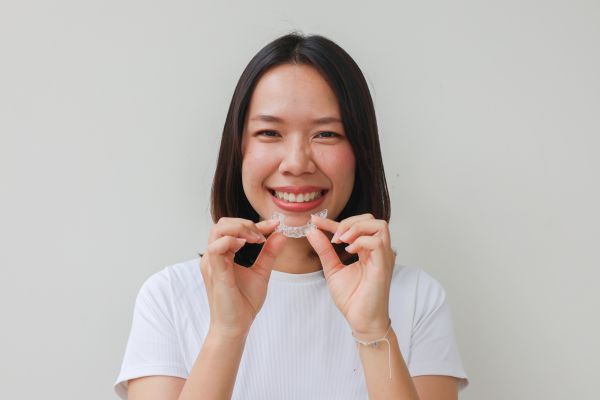
Successful Invisalign® treatment relies on daily habits, not just office visits. When a general dentist uses Invisalign to move teeth with clear aligners, patients need to follow instructions closely to keep the process on track. When patients wear aligners as directed and care for them properly, each stage of treatment can build on the previous one. A thorough understanding on the patient's part of the treatment can help them better comply and maintain their oral hygiene along the way.
Why daily wear matters
Invisalign aligners apply gentle pressure to shift teeth over time. That pressure only works when the aligners stay in place for the recommended number of hours each day. If patients remove them too often or leave them out for long periods, teeth may not move as planned, and delay progress.
A general dentist usually advises patients to wear Invisalign for 20-22 hours a day. That means the aligners should only come out for meals, drinks other than water, brushing, and flossing. Even small lapses can add up during treatment. Staying consistent each day gives the teeth the steady pressure they need to respond.
Following care instructions
Patient compliance includes more than wearing aligners. Invisalign also works better when patients clean the aligners, keep dental appointments, and change to the next set on schedule. Clear aligners can collect bacteria and stains if patients do not rinse and clean them regularly. That can affect both oral hygiene and the appearance of the aligners.
Patients should also protect the aligners during meals. Leaving them in while eating can damage the plastic, and wrapping them in a napkin can lead to accidental loss. A storage case makes it easier to keep them clean and safe when they are out of the mouth.
Helpful compliance habits include:
- Wear aligners for the recommended daily time
- Remove aligners before meals and snacks
- Brush and floss before putting them back in
- Clean aligners gently each day
- Change aligners on the schedule provided by the dentist
- Keep follow-up visits as planned
These steps help Invisalign treatment move forward steadily and predictably.
How compliance affects results
Each Invisalign tray is designed to make a small change in tooth position. When a patient skips wear time, the planned movement may not be completed before the next tray begins. As a result, the next aligner may feel too tight, not seat all the way, or stop tracking correctly. Tracking means the aligner fits the teeth closely enough to guide movement as planned.
Poor compliance can also extend treatment time. Some patients may need to wear trays longer than expected or repeat a stage before moving forward. In some cases, the dentist may need to order additional aligners to correct lost progress. Good compliance helps reduce these interruptions and supports a smoother treatment experience.
Building better habits
Invisalign can fit into daily life, but success depends on routine. Patients often do well when they connect aligner care to meals, set reminders on a phone, and store the case in an easy-to-reach place. A general dentist can also suggest practical ways to manage school, work, travel, and social events during treatment. When patients stay consistent, Invisalign has a better chance of moving teeth as planned and supporting long-term oral health. For more information or to schedule an appointment, call our office.
To schedule a consultation, please request an appointment on our website at https://www.caredentaltysons.com or call Care Dental at (571) 765-2236 to arrange an appointment at our Vienna office.
Check out what others are saying about our dental services on Yelp: Invisalign in Vienna, VA.
Related Posts
Dental fillings are commonly used to restore teeth that are in bad shape. When a tooth becomes infected at a surface level, dentists refer to it as a cavity because the infection ultimately creates a hole in the tooth due to the decay. The first step in treating a minor to moderate cavity is to…
Many individuals experience a desire to undergo a teeth whitening treatment at some point in their lives. It is such a standard treatment because over time, the teeth tend to become stained, whether it be from heavily dyed beverages, a lack of oral hygiene, or bad habits such as smoking.Regardless of the cause of staining,…
Dental fillings are the most common type of tooth restoration, used to treat minor to moderate cavities. Though the process of getting a filling is fairly simple, it helps to know what is involved and what your options are. This article explains the dental filling process, the types of material used, and the advantages and…
If you are looking to replace missing or failing teeth, there are two common solutions: dental implants and dentures. However, each has its advantages and disadvantages. This blog will explore the differences between implants and dentures to help you decide which is best for you.Dental implants are the preferred choice for patients looking for a…